High-Concurrency Web Applications built for massive traffic spikes.
Engineer resilient web platforms capable of seamlessly handling tens of thousands of concurrent active sessions with zero downtime.
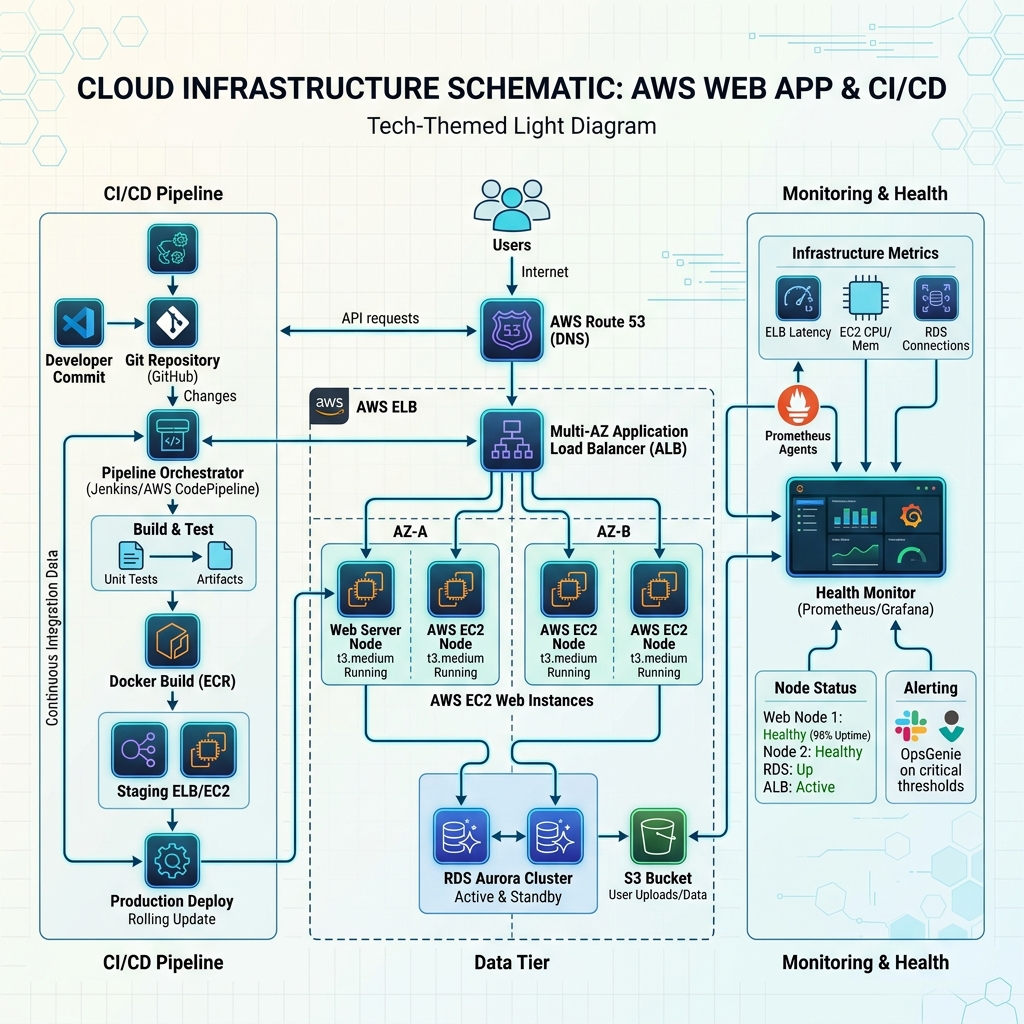
Concurrency Strengths
Resilient architecture under maximum load.
High-volume web applications designed to perform under extreme user concurrency.
100k+ Active Sessions
Horizontal scaling on Kubernetes with active load balancing and microservice nodes.
Sub-50ms Response Speed
Distributed Redis in-memory caching and CDN edge routing for lightning response.
Non-Blocking I/O Core
Asynchronous backend engines using Go, Rust, or Node.js event loops.
Database Read Replicas
PostgreSQL read replica pools and connection proxies preventing database bottlenecks.
Capabilities
Full-spectrum high-concurrency web capabilities.
From Redis in-memory caching to global edge distribution.
Redis In-Memory Caching Strategy
Multi-layer cache invalidation and query caching for zero database load spike.
Nginx & HAProxy Load Balancing Pools
Intelligent round-robin and least-connection traffic distribution across cloud clusters.
Kubernetes Cloud Autoscaling
Automatic horizontal pod autoscaling (HPA) responding to traffic spikes in seconds.
Edge CDN & Static Asset Caching
Global asset distribution via Cloudflare & CloudFront for sub-100ms hydration.
Asynchronous Task Queues
Background job execution offloading heavy calculations to distributed worker pods.
Circuit Breakers & Rate Limiting
Prevent cascading failures with resilient API gateways and token bucket rate limits.
FAQ
High-Concurrency Applications FAQ
Common questions about auto-scaling load balancers, Redis caching, and stress testing.
- We run automated load tests simulating up to 200,000 concurrent users using k6, Locust, and Apache JMeter.
- Kubernetes autoscalers spawn additional pods automatically while Redis cache shields the database layer.
Ready to scale your web application to 100k+ concurrent users?
Schedule a high-scale architecture session with our performance engineers.